

close
Choose Your Site
Global
Social Media
Views: 0 Author: Site Editor Publish Time: 2026-03-11 Origin: Site


What is a drainage tube, and why do doctors use it after surgery? A medical drainage tube removes blood, pus, and fluid to protect healing tissue. In this article, you will learn what a drainage tube is, how a surgical drainage system works, and common types of surgical drainage tubes. Reliable drainage tube products from Bova help support stable fluid removal. Learn more about our products.
A drainage tube is a flexible medical tube inserted into a surgical wound or body cavity. Its purpose is to remove unwanted fluids that accumulate after injury or surgery.These fluids may include blood, lymphatic fluid, pus, or irrigation fluids used during surgery. If these substances remain inside the body, they can create pressure within tissues and delay the healing process.The drainage tube connects the surgical site to a collection system outside the body. This allows fluid to leave the body safely while preventing internal buildup.
After surgery, tissues naturally produce fluid as part of the healing response. Blood vessels and lymphatic vessels may leak small amounts of fluid into surrounding tissue spaces.
If this fluid collects in the wound area, it may cause swelling or discomfort. Large fluid collections may also become infected or interfere with wound closure.Doctors use drainage tubes to remove this fluid early. This reduces tissue pressure and prevents complications such as hematomas and seromas.Drainage tubes also allow surgeons to observe postoperative bleeding. An unexpected increase in drainage volume may indicate internal bleeding.
Removing excess fluid helps restore normal tissue pressure. This improves blood circulation around the surgical site.Better blood flow allows oxygen and nutrients to reach healing tissues. These nutrients are necessary for cell repair and tissue regeneration.Drainage tubes also help doctors monitor recovery progress. The color and amount of drainage fluid can provide valuable clinical information.
Note: Doctors often check drainage levels daily to determine when the tube can be safely removed.
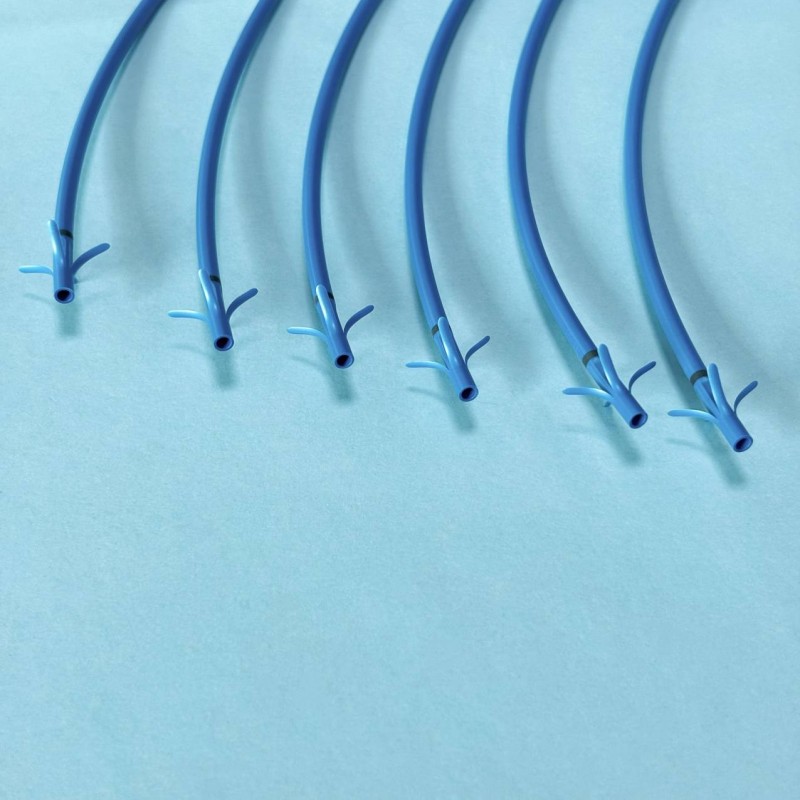
A drainage tube creates a pathway for fluid to travel from the surgical site to a collection container. The tube is positioned inside the wound so fluid naturally enters the tube openings.Once fluid enters the tube, it flows toward the external reservoir. Medical staff can then measure the amount of drainage and monitor changes in fluid characteristics.This process helps ensure that fluid does not accumulate inside the body.
Passive drainage systems rely on gravity and natural pressure differences. Fluid flows through the tube without mechanical assistance.These systems are simple and commonly used for minor wounds or superficial surgical sites. The drainage may collect on gauze dressings or in small collection bags.
Although passive systems are easy to manage, they may not remove large amounts of fluid quickly.
Active drainage systems use suction to pull fluid from the wound. A bulb reservoir or vacuum container creates negative pressure inside the system.
This pressure draws fluid through the drainage tube continuously. Active systems provide more controlled and efficient drainage.They are commonly used after major surgeries where large amounts of fluid may accumulate.
Feature | Passive Drainage | Active Drainage |
Fluid movement | Gravity | Vacuum suction |
Equipment | Simple tubing | Tubing + suction device |
Drainage control | Less controlled | More controlled |
Common use | Superficial wounds | Surgical procedures |
Tip: Active suction drainage systems are often preferred when surgeons expect significant postoperative fluid production.
Different surgeries require different drainage solutions. The type of drainage tube used depends on the surgical procedure and expected fluid volume.
The Jackson-Pratt drain is one of the most common surgical drainage devices. It consists of a flexible tube connected to a small bulb-shaped reservoir.When the bulb is compressed, it creates gentle suction. This suction draws fluid from the wound into the bulb container.Jackson-Pratt drains are frequently used in breast surgery, abdominal surgery, and reconstructive procedures.
The Penrose drain is a soft rubber tube used for passive drainage. It allows fluid to flow naturally from the wound by gravity.Fluid exits the wound and is absorbed by dressings placed around the drain. Penrose drains are commonly used for superficial infections or surgical wounds.
The Hemovac drain is another suction-based drainage device. It uses a spring-loaded container that creates negative pressure when compressed.
The container can collect larger volumes of fluid compared with a Jackson-Pratt drain. Hemovac drains are often used in orthopedic surgery.
Chest tubes are specialized drainage tubes used in thoracic procedures. They remove air, blood, or fluid from the pleural cavity around the lungs.Chest drainage tubes help restore normal lung expansion after surgery or trauma.
Drain Type | Drainage Method | Typical Use |
Jackson-Pratt | Suction | General surgery |
Penrose | Gravity | Superficial wounds |
Hemovac | Vacuum suction | Orthopedic surgery |
Chest tube | Controlled drainage | Thoracic surgery |
Drainage tubes are commonly used after major surgeries. Procedures involving large tissue areas often produce significant fluid.Examples include abdominal surgery, breast surgery, joint replacement, and tumor removal procedures.The drainage tube remains in place until fluid production decreases.
Drainage tubes are also used to treat infections. When pus collects inside tissue, doctors may insert a tube to drain the infected fluid.Removing infected fluid reduces pressure and helps antibiotics work more effectively.
After surgery, blood or lymphatic fluid may collect under the skin. These fluid collections are known as hematomas or seromas.Drainage tubes help prevent these complications by removing fluid before it accumulates.
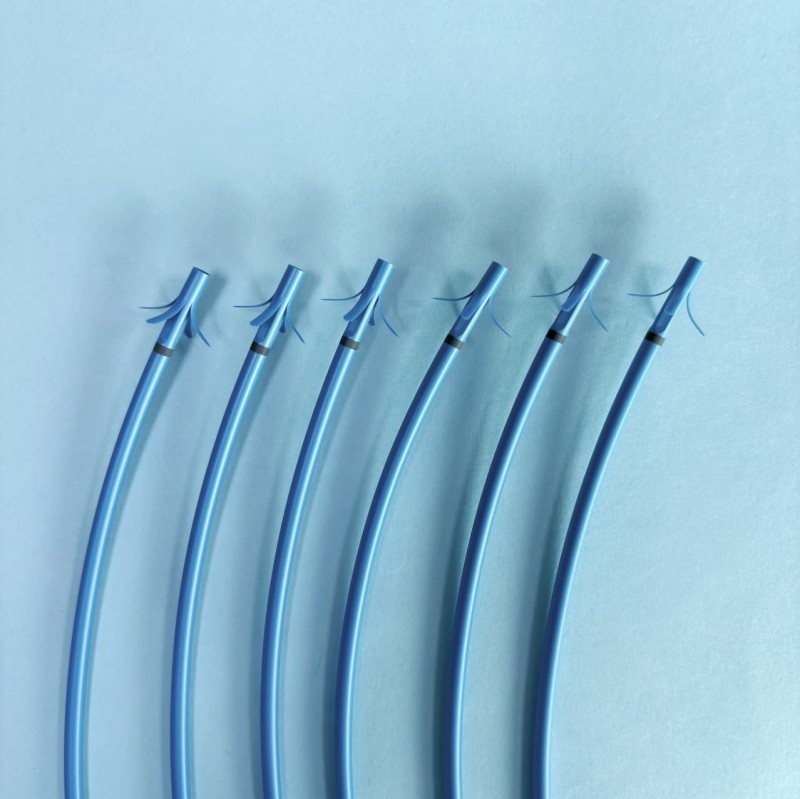
A surgical drainage system consists of several components that work together.
The tubing is the part placed inside the body. Small holes along the tube allow fluid to enter easily.Modern drainage tubes often include multiple side holes to improve drainage efficiency.
The reservoir collects fluid drained from the body. It allows healthcare providers to measure drainage volume.Monitoring drainage output helps doctors evaluate healing progress.
Some drainage systems include suction bulbs or vacuum containers. These devices create negative pressure to improve fluid removal.
Component | Function |
Drainage tube | Transfers fluid from wound |
Reservoir | Collects drainage fluid |
Suction bulb | Creates negative pressure |
Connector | Links tubing and container |
Medical drainage tubes are often made from soft, flexible materials such as silicone or polyurethane. These materials improve patient comfort and reduce irritation during recovery.
Drainage tubes prevent fluid from collecting around surgical wounds. This reduces swelling and pressure within tissues.Lower tissue pressure supports faster healing.
When fluid is removed efficiently, tissues receive better blood supply. This improves oxygen delivery and speeds recovery.
Doctors analyze drainage fluid regularly. Changes in fluid color or volume may indicate complications.High-quality drainage tubes made from medical-grade materials can further improve drainage efficiency and patient comfort.
Note: A steady decrease in drainage volume usually indicates normal healing.
The insertion site can become infected if hygiene is poor. Regular cleaning helps reduce this risk.
Blood clots or thick fluid may block the drainage tube. This prevents proper drainage.Doctors may flush the tube to restore normal flow.
Patients may experience mild discomfort near the insertion site. This usually improves as the wound heals.
Problem | Cause | Possible Solution |
Infection | Poor hygiene | Clean insertion site |
Blockage | Thick fluid | Tube flushing |
Leakage | Loose connection | Secure tubing |
Tube displacement | Movement | Reposition tube |
The skin around the drainage tube must remain clean and dry. Proper hygiene reduces infection risk.
Patients may need to record the amount of fluid drained each day. This information helps doctors track recovery progress.
Each drainage system requires specific care procedures. Patients should always follow instructions provided by healthcare professionals.
Tip: Empty drainage containers regularly to maintain suction pressure and prevent overflow.
A drainage tube removes fluid from wounds and surgical sites, helping prevent infection and swelling. Different drainage tube systems use gravity or suction for safe fluid control. Reliable drainage tube design improves recovery monitoring. High-quality drainage tube products from Bova provide stable drainage and patient comfort.
A: A drainage tube is a medical drainage tube used to remove blood, pus, or fluid after surgery and support safe wound healing.
A: A surgical drainage tube removes excess fluid and reduces swelling, helping prevent infection and improve recovery.
A: A medical drainage tube system moves fluid through tubing into a reservoir using gravity or suction.
A: Common surgical drainage tubes include Jackson-Pratt, Penrose, and Hemovac drains for different surgical needs.


