

close
Choose Your Site
Global
Social Media
Views: 0 Author: Site Editor Publish Time: 2026-03-09 Origin: Site


Can a urinary drainage bag work for a nephrostomy tube? Many patients ask this question. The answer depends on drainage tube design and connector compatibility. A nephrostomy drainage tube moves urine from the kidney to an external urinary drainage bag. In this article, you will learn nephrostomy drainage systems, drainage tube compatibility, and how to choose the right drainage bag. High-quality drainage tube products, such as those from Bova, can improve safety and stability. Learn more about our products.
A nephrostomy tube is a thin plastic drainage tube inserted through the skin into the kidney. It allows urine to bypass blocked ureters and exit the body through an external drainage system. During the procedure, doctors use imaging tools such as ultrasound or fluoroscopy to guide the tube into position. Once placed, the tube connects to a drainage bag that collects urine outside the body. This setup ensures continuous drainage and protects the kidney from damage caused by urine backup.
Several conditions may require a nephrostomy tube. Kidney stones are one of the most common causes because they can block the ureter and stop urine flow. Other causes include kidney tumors, infections, injuries to the urinary tract, or blood clots. In each case, the drainage tube provides a temporary or long-term solution to maintain kidney function and prevent complications such as infection or kidney failure.
The nephrostomy tube alone cannot collect urine. It must connect to an external drainage bag. This bag holds the urine safely and allows caregivers to monitor urine output. Proper drainage prevents pressure buildup inside the kidney. It also helps medical staff measure fluid output, detect infection signs, and maintain patient hygiene. Without a properly functioning drainage bag system, the nephrostomy tube cannot perform its purpose effectively.
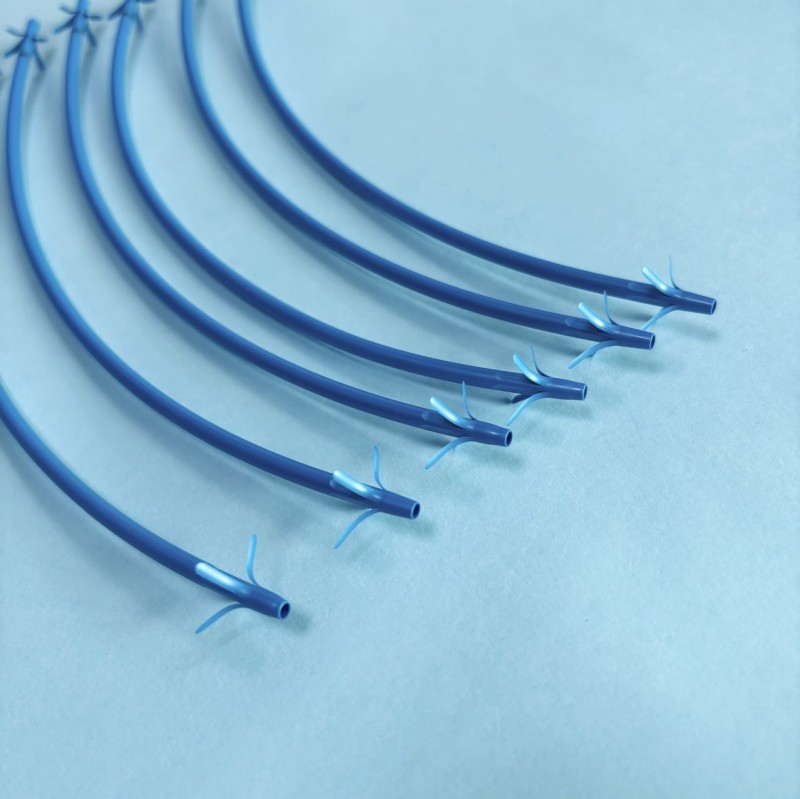
A urinary drainage bag is a medical container designed to collect urine from a catheter or drainage tube. The bag connects to tubing that carries urine from the bladder or another drainage point. Most bags include an inlet port for urine entry and an outlet valve for emptying the collected fluid. These bags are usually made from medical-grade plastic materials such as PVC and are designed to reduce contamination risk.
There are several common types of urinary drainage bags used in healthcare settings.
Drainage Bag Type | Typical Use | Capacity |
Leg bag | Daytime mobility | 400–500 ml |
Night bag | Overnight drainage | 1500–2000 ml |
Abdominal bag | Wearable collection system | 800–1000 ml |
Leg bags are small and attach to the thigh or calf for daytime use. Night bags are larger and usually hang beside the bed during sleep. Abdominal bags provide an alternative design that sits on the abdomen for improved comfort and movement.
Drainage bags differ in tubing length, connector type, and storage capacity. Night bags often have longer tubing and higher volume capacity to support overnight drainage. Smaller bags require more frequent emptying but allow greater mobility during daily activities. The choice depends on lifestyle, patient mobility, and medical requirements.
Note: A drainage bag should always remain below the bladder or kidney level to prevent urine from flowing backward into the drainage tube.
In certain clinical situations, urinary drainage bags can be connected to nephrostomy tubes. Some nighttime bags or leg bags may function as nephrostomy collection bags depending on the tube configuration. In cases where a urinary catheter system is temporarily used as a nephrostomy tube, these bags may serve the same drainage function.
Despite possible compatibility, not all urinary drainage bags are suitable for nephrostomy tubes. Differences in tubing diameter and connector design may prevent secure attachment. Using incompatible equipment can lead to leakage, poor drainage, or infection. Therefore, specialized nephrostomy bags are often recommended.
Connector compatibility is one of the most important factors. Nephrostomy tubes frequently use a Luer Lock connector instead of the tapered connectors found in standard urinary catheter bags. This difference ensures a secure connection and prevents accidental disconnection.
Temporary substitution may occur after certain surgical procedures, such as kidney stone removal. In such cases, healthcare professionals may adapt an available drainage system until a proper nephrostomy bag becomes available.
Patients should never change drainage systems without consulting a healthcare provider. Medical professionals must confirm compatibility and safety before any substitution is attempted.
The drainage tube diameter is one of the major differences between these systems. Nephrostomy bag tubing usually has a smaller internal diameter compared with urinary catheter tubing. This design matches the narrower nephrostomy tube used for kidney drainage.
Urinary drainage bags typically connect using tapered nozzle connectors. Nephrostomy bags usually attach using male Luer Lock connectors. This locking mechanism creates a tighter seal and prevents accidental detachment.
Many drainage bags include anti-reflux valves. These valves prevent urine from flowing backward through the drainage tube. Backflow may increase infection risk and cause complications.
Nephrostomy bags can be worn on the leg or attached to the abdomen using straps. Some larger bags are placed beside the bed during sleep. Proper positioning ensures gravity-assisted drainage and continuous urine flow.
Feature | Urinary Drainage Bag | Nephrostomy Bag |
Connector type | Tapered nozzle | Luer Lock connector |
Tube diameter | Larger | Smaller |
Typical use | Bladder catheter drainage | Kidney drainage |
Capacity | 500–2000 ml | ~500 ml |
Leg bags are commonly used during the day. They attach to the thigh or calf using elastic straps. Their compact design allows patients to move freely and wear them under clothing. However, their smaller capacity means they must be emptied frequently.
Night bags are designed for overnight use. They have larger capacities, often around two liters, which allows patients to sleep without needing to empty the bag repeatedly. These bags usually hang beside the bed on a stand or hook.
Abdominal bags attach around the waist using a belt. They provide larger capacity and distribute weight evenly across the abdomen. This design can reduce skin irritation and improve comfort during movement.
Bag Type | Typical Capacity | Main Advantage |
Leg bag | ~500 ml | Mobility |
Night bag | 1500–2000 ml | Overnight drainage |
Belly bag | ~1000 ml | Comfort and concealment |
Tip: Patients often alternate between leg bags during the day and night bags during sleep for better convenience.
Before connecting a drainage bag, hands must be washed with antibacterial soap. Medical gloves should be worn to prevent contamination. Clean surfaces and sterile supplies help reduce infection risk during the connection process.
The drainage tube must be inserted firmly into the bag connector. If a Luer Lock system is used, the connector should be twisted until it locks into place. A secure connection prevents urine leakage and maintains a closed drainage system.
Once connected, the bag should be attached to the patient’s leg or bed frame using straps or clips. This prevents tension on the drainage tube and reduces the risk of accidental tube removal.
After installation, the tubing should be inspected for bends or kinks. These can block urine flow and lead to complications. The bag must remain below the kidney level to allow gravity-assisted drainage.
Note: If urine stops flowing or the tube becomes blocked, medical attention should be sought immediately.
Patient lifestyle plays a major role in selecting the correct drainage bag. Active individuals may prefer smaller leg bags for mobility. Patients who spend more time resting may benefit from larger bedside bags.
Some patients have limited hand movement. For them, drainage bags with simple lever valves may be easier to operate. Caregivers may also assist with bag emptying when needed.
Drainage bags are usually made from latex-free plastic. However, some reusable bags may contain latex components. Medical providers should always check for allergies before selecting equipment.
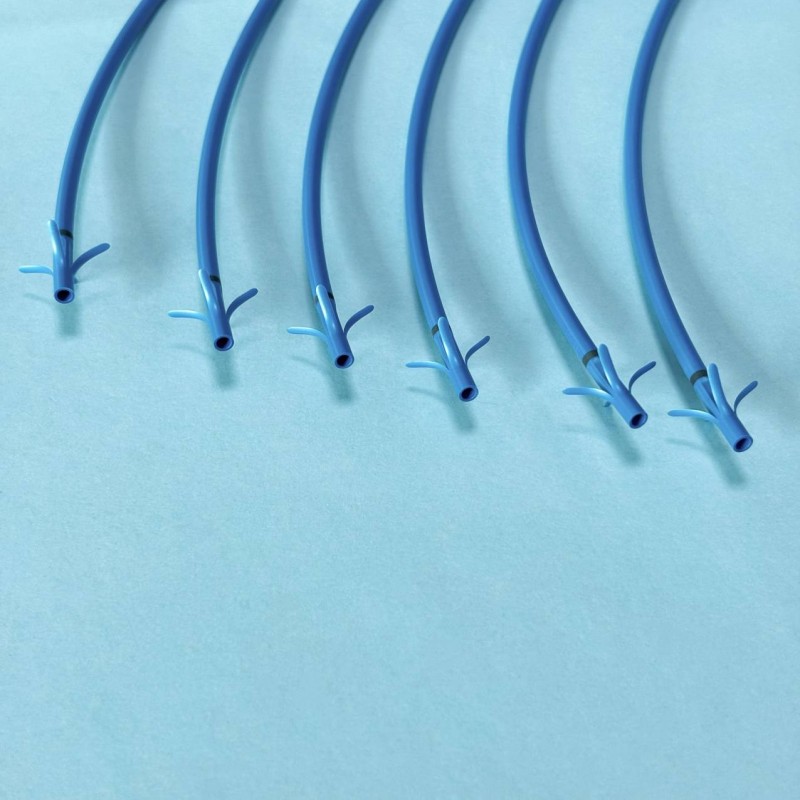
High-quality drainage tubes used in these systems are often made from medical-grade materials such as TPU or silicone to improve flexibility and patient comfort. For example, advanced drainage tube designs like those developed by Bova include anti-kink structures, radiopaque lines for imaging visibility, and multi-side-hole drainage tips that help improve fluid flow and clinical monitoring.
Tip: Choosing the correct drainage bag improves comfort, reduces infection risk, and supports consistent urine flow.
Drainage bags should be emptied regularly before they become completely full. Overfilling may cause leakage or increased pressure in the drainage tube. Smaller bags often require emptying several times per day.
Daily cleaning helps prevent bacterial growth and odor. Some reusable bags can be washed and reused, but they must be replaced periodically. Many healthcare providers recommend replacing reusable drainage bags about once per month.
Patients should monitor urine color, smell, and volume. Cloudy urine, unusual odor, or reduced flow may indicate infection or blockage. Early detection allows medical providers to address issues before serious complications develop.
Urinary drainage bags may work with nephrostomy tubes, but drainage tube size and connector design must match. Proper systems ensure safe urine flow and reduce infection risk. Quality drainage tube solutions from Bova offer reliable compatibility, stable drainage, and improved patient comfort in clinical use.
A: Sometimes yes. The drainage tube connector and tubing size must match. A compatible nephrostomy drainage system prevents leakage and infection.
A: A dedicated nephrostomy drainage tube and bag usually work best. They fit Luer Lock connectors and ensure stable nephrostomy drainage.
A: It matches the nephrostomy drainage tube size and connector design. This reduces backflow and improves urine drainage safety.
A: Insert the drainage tube into the bag connector firmly. Ensure no kinks in the tubing for proper nephrostomy drainage flow.


